
Emergency Plumbing Preparation
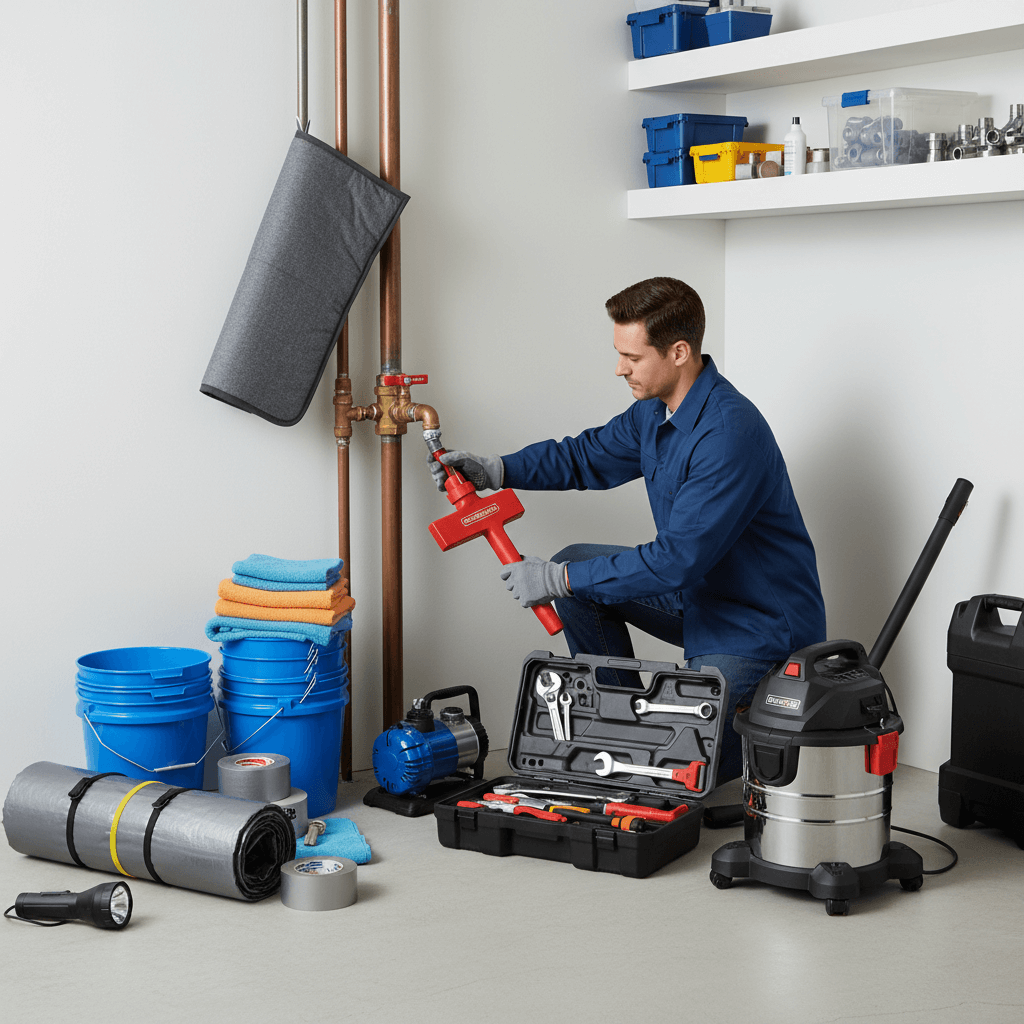
A sudden leak or a burst pipe can turn a quiet evening into a costly emergency. Emergency Plumbing Preparation is the difference between a repair that is manageable and one that leads to extensive water damage and higher bills. This article lays out realistic steps you can take today to protect your home, reduce panic, and save time when a plumbing crisis hits.
Preparation is about simple habits, a small toolkit, and clear actions that family members can follow. Read on for practical tips, checklists, and clear advice on when to tackle a problem yourself and when to call in a trained crew.
Why Emergency Plumbing Preparation matters for every homeowner
Water moves fast and damage can escalate within hours. A single unchecked leak can ruin floors, drywall, insulation, and furnishings, and lead to mold growth. Quick, calm action reduces damage, keeps repair costs lower, and makes claims with insurers easier to document. Being ready also reduces stress in a high pressure situation, allowing you to focus on safety and recovery.
Preparation is not just for old homes or for cold climates. Newer systems can fail due to manufacturing defects, improper installation, and unexpected blockages. Knowing what to do, and having basic supplies on hand, will make a big difference whether you live in a single family home, a duplex, or a rental unit.
Immediate safety steps to take when a plumbing emergency starts
When water gushes or a toilet overflows, follow a short checklist that prioritizes safety and limits damage. These steps apply to most urgent situations and are simple enough for any household member to perform.
- Turn off the main water valve to stop incoming flow, then open faucets to drain remaining water
- Shut off electricity in affected areas if water is near outlets or appliances
- Contain water with towels, buckets, and temporary barriers such as plastic sheeting
- Move valuables and electronics to a dry area, lifted off the floor
- Photograph damage and keep receipts for emergency purchases for insurance records
Knowing where your main shutoff valve is located and practicing turning it off will shave precious minutes during an actual event. Labeling the valve and posting a short procedure near common appliances helps guests or renters act when needed.
Essential tools and supplies to keep on hand for plumbing emergencies
A compact kit on a shelf or in a toolbox saves valuable time. The following items are inexpensive, versatile, and useful across a range of incidents.
- Adjustable wrench and pipe wrench
- Plunger and hand auger for drains and toilets
- Rubber gloves, safety goggles, and absorbent towels
- Waterproof tape, pipe repair tape, and a collapsible bucket
- Flashlight with fresh batteries and a portable phone charger
- Tarps or heavy plastic sheeting and a roll of duct tape
- Small supply of replacement washers and compression fittings
Quick checklist for the kit
Keep the kit accessible and review contents twice a year. Replace perishable items like batteries and worn towels. Store the kit near your main water valve or in a visible utility closet so it is easy to reach in the dark or during power loss.
How to use a few key items
A plunger is the first response to a clogged toilet or slow drain. If the plunger fails, a hand auger can clear deeper blockages in the trap or line. Use waterproof tape as a temporary patch on hairline cracks while you shut off water and arrange permanent repairs. Never rely on tape as a long term fix.
How to identify common plumbing emergencies quickly
Recognizing the kind of issue you face helps you apply the right remedy without wasting time. Here are common scenarios and the signs that accompany them.
- Burst pipe, sudden large water flow, or gushing from a wall or ceiling
- Major leak under a sink that wets cabinets or puddles on the floor
- Toilet clogs that lead to overflow or repeated backups
- Drain backups that affect multiple fixtures, which often point to a main line issue
- Water heater leaks or no hot water combined with unusual noises
If multiple fixtures back up at the same time, treat the problem as a main sewer or main line issue and avoid using water until the source is located. That reduces spreading contamination and limits cleanup.
When to call a professional and what to expect
Some situations you can manage for a short period. Other events require trained help right away. Call for professional help when you see heavy flow from a burst pipe, when water approaches electrical panels, when a main sewer line is backing up, or when temporary measures fail to stop the leak.
When you contact a team, give a clear description of the symptom, where it is located, and what you have already done. This helps the responder bring the right equipment. For rapid local response and expert troubleshooting, consider a trusted resource like professional emergency plumbing that offers same day service and has experience with insurance documentation.
Expect the technician to take safety steps first, stop the leak with containment methods, and then diagnose the root cause. Repairs can range from replacing a section of pipe to addressing corrosion or failing fittings. Ask for a clear written estimate before work starts and request photos of hidden repairs for your records.
Preventive measures that reduce the chance of emergencies
Small preventative actions remove many common causes of sudden failures. Regular maintenance and mindful habits are often low cost and easy to perform.
- Inspect visible pipes for corrosion and damp spots twice a year
- Flush water heaters annually to remove sediment which shortens life span
- Use sink strainers and avoid pouring grease down drains
- Know the age of your plumbing pipes and plan replacement before repeated problems start
- Winterize exposed pipes in cold months by insulating and allowing a trickle of water during extreme freezes
Replacing old galvanized lines or vintage fittings can prevent sudden failures. If you are unsure about your system age or condition, arrange a professional inspection to identify weak spots before they fail.
Creating an emergency plumbing plan for your household
A written plan reduces confusion and keeps action consistent when stress levels are high. Share the plan with everyone who lives in the house and post a short version near the main shutoff valve. The plan should include specific names and phone numbers, the location of shutoff valves, how to access the emergency kit, and steps to protect valuables.
Plan components to include
- A simple map showing where the main water shutoff is and how to turn it off
- Contact list with a primary plumber, a backup, and your insurance agent phone number
- Checklist of immediate actions such as shutting off water, cutting power, and moving belongings
- Location of the emergency plumbing kit and instructions for its contents
Practicing the plan
Run a brief drill with family members once a year so everyone knows where the shutoff valve is and how to operate it. Practicing reduces mistakes and builds confidence for older children and caregivers. When a renter changes, review the plan with the new occupant so they are prepared.
Cost considerations and how to minimize repair bills
Emergency repairs are usually more expensive than scheduled work. You can reduce costs by identifying and documenting the problem quickly, stopping further damage, and choosing durable repair options. For example, replacing a corroded pipe segment with a modern material may cost more up front but can prevent repeated service calls in the future.
Keep a list of local contractors who offer emergency response and compare pricing for common repairs. Review warranties and ask whether parts and labor are covered. If insurance might cover the damage, contact your agent early and follow the claim steps so repairs can be coordinated without delays that increase secondary damage.
In the event of major damage, prioritize actions that protect the structure and personal property. Temporary fixes are a cost effective way to stop immediate problems while you arrange permanent repair and compare quotes.
Emergency Plumbing Preparation is about reducing surprise, saving money, and protecting your home. A small investment of time and a modest toolkit make a large difference when a crisis happens. Start by locating and labeling your shutoff valve, assembling a simple kit, and writing a one page plan that family members can follow. Practice the plan once a year and replace worn tools or supplies.
If you prefer professional support, keep contact details for local services in your plan and understand what to communicate when you call. Fast, organized action helps technicians complete repairs quickly and with less disruption to your life.
Take action today by creating a kit and a one page plan. Check the shutoff valve in your home and post a simple procedure so anyone can act in an emergency. When you are ready to schedule a professional inspection or need immediate help, reach out to a qualified team without delay. A little preparation now prevents a lot of headache later and protects both your property and your budget.


